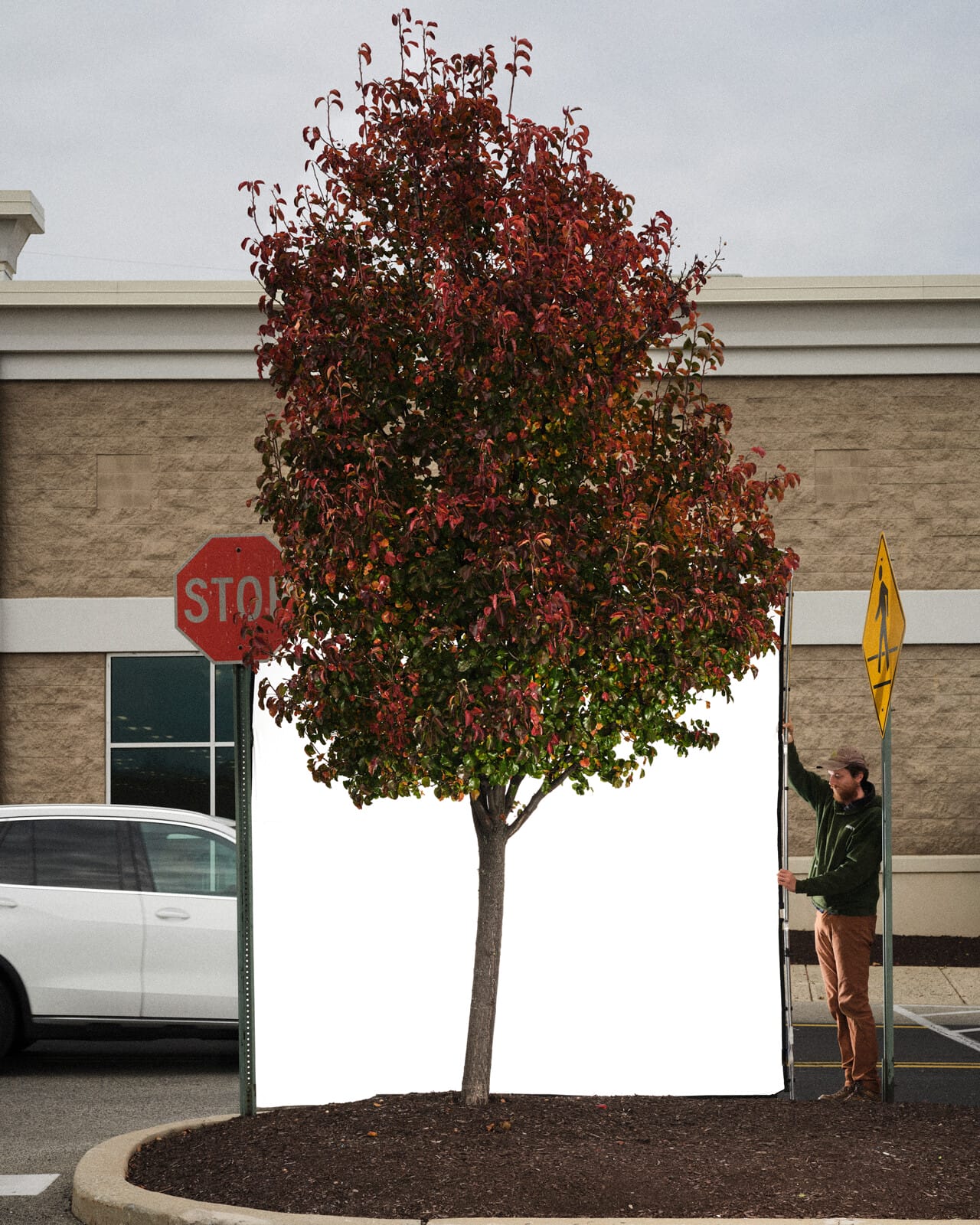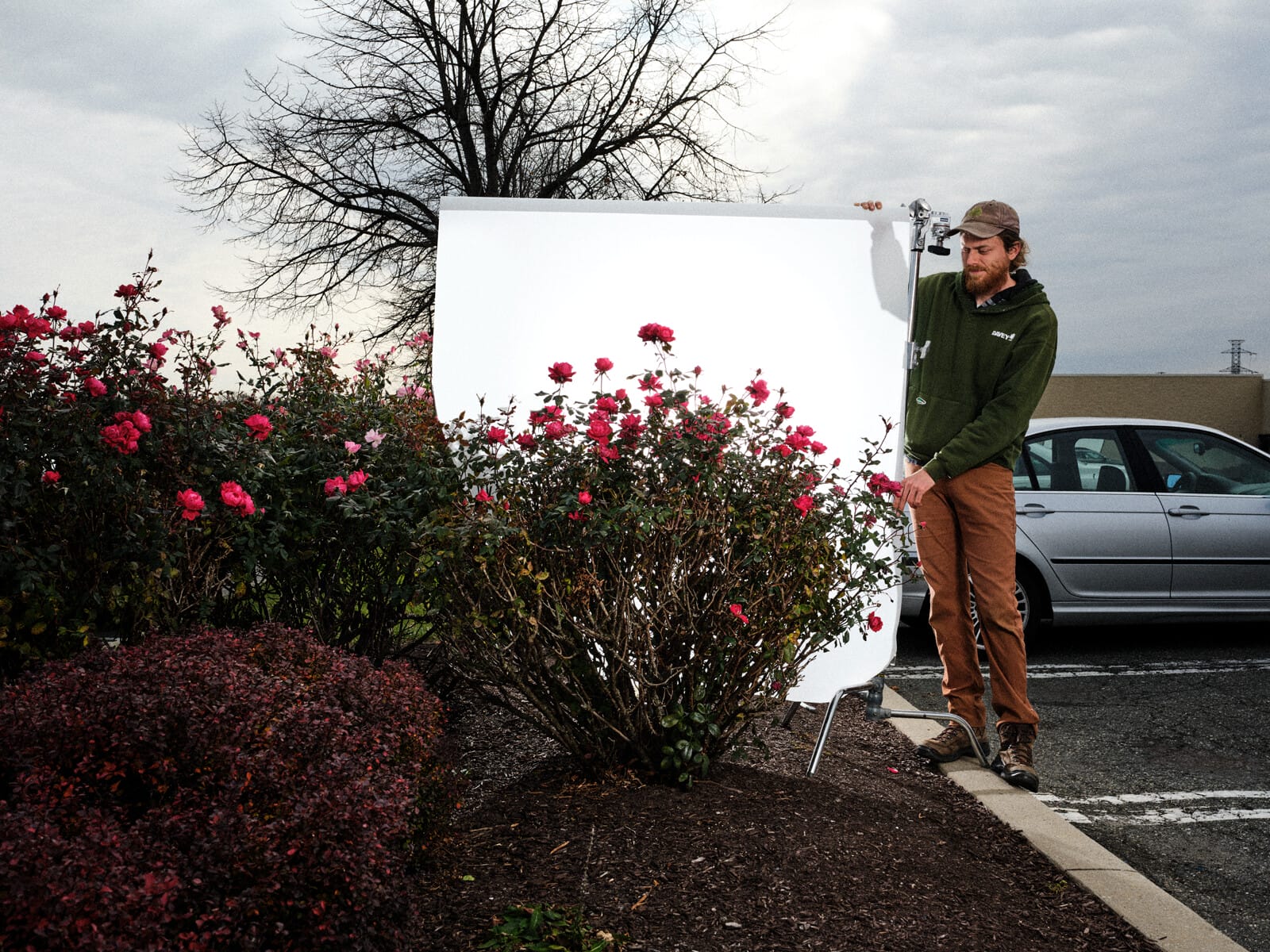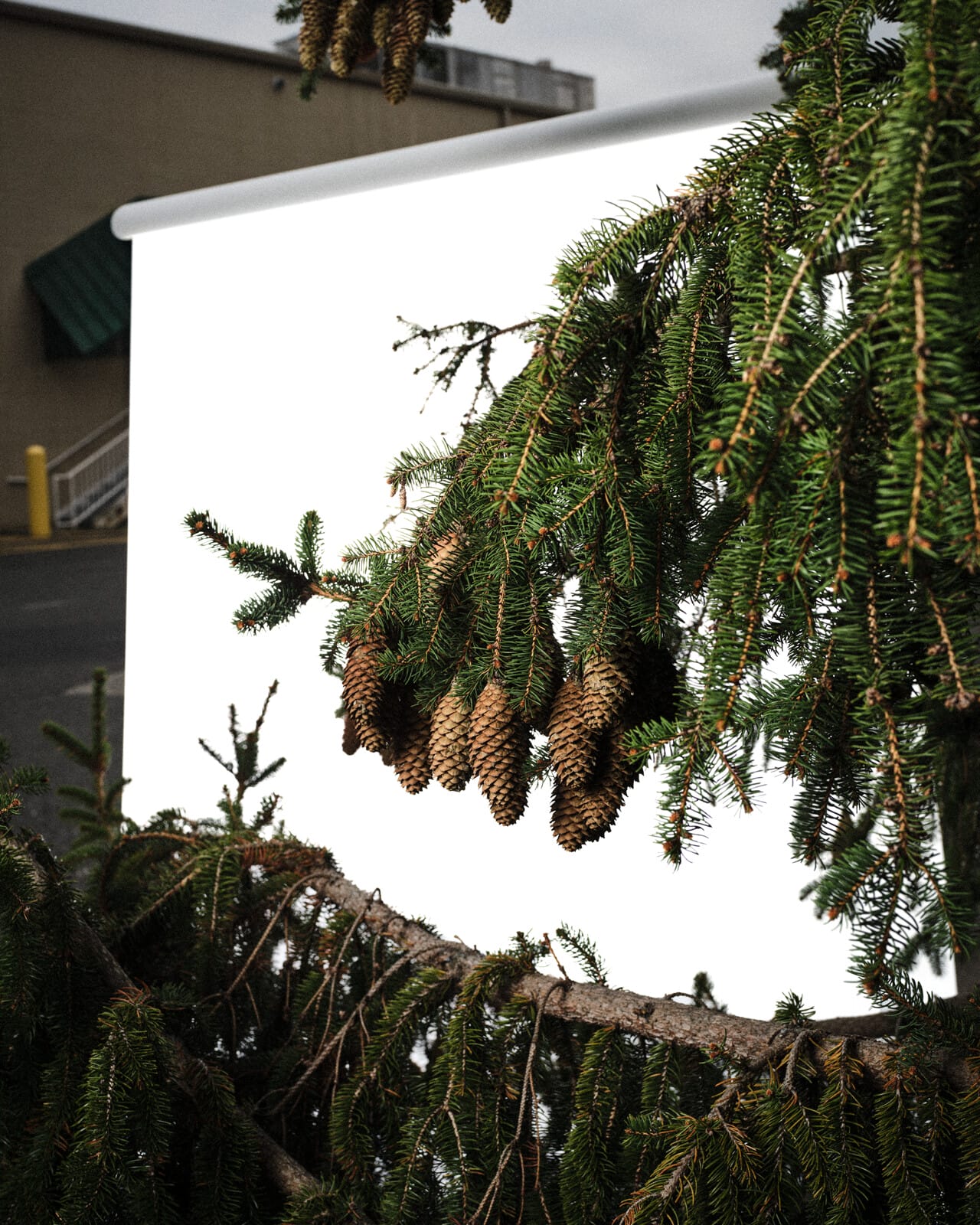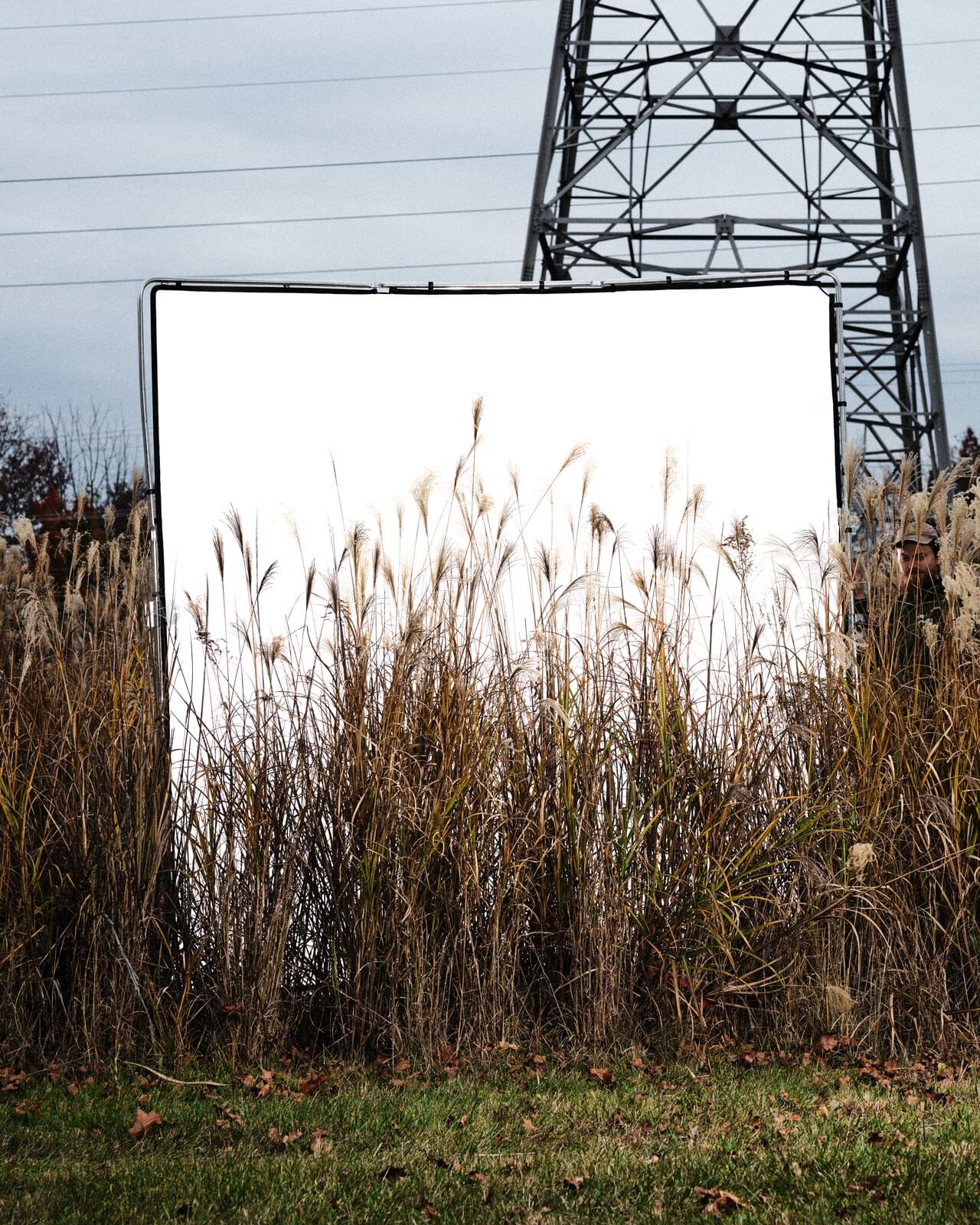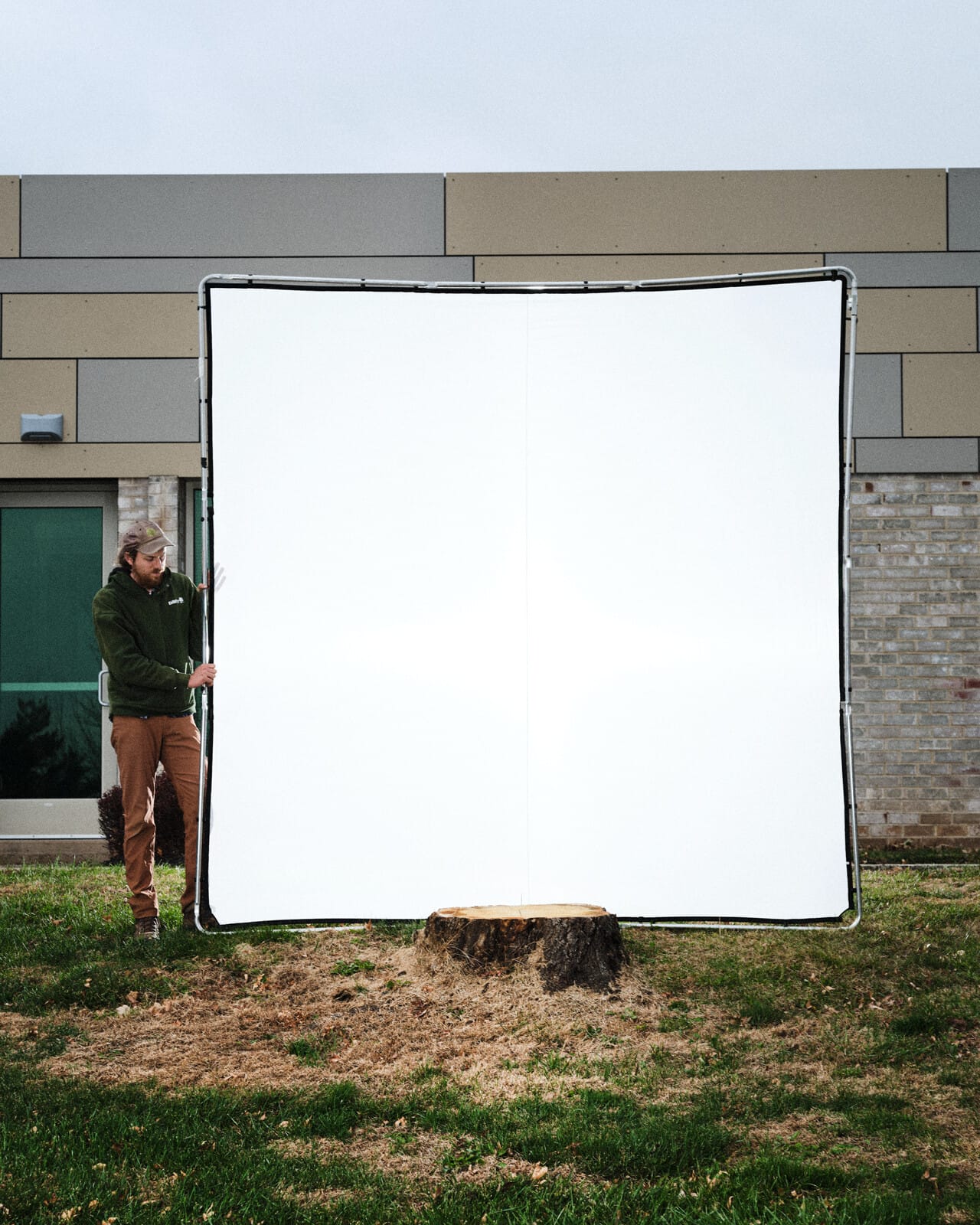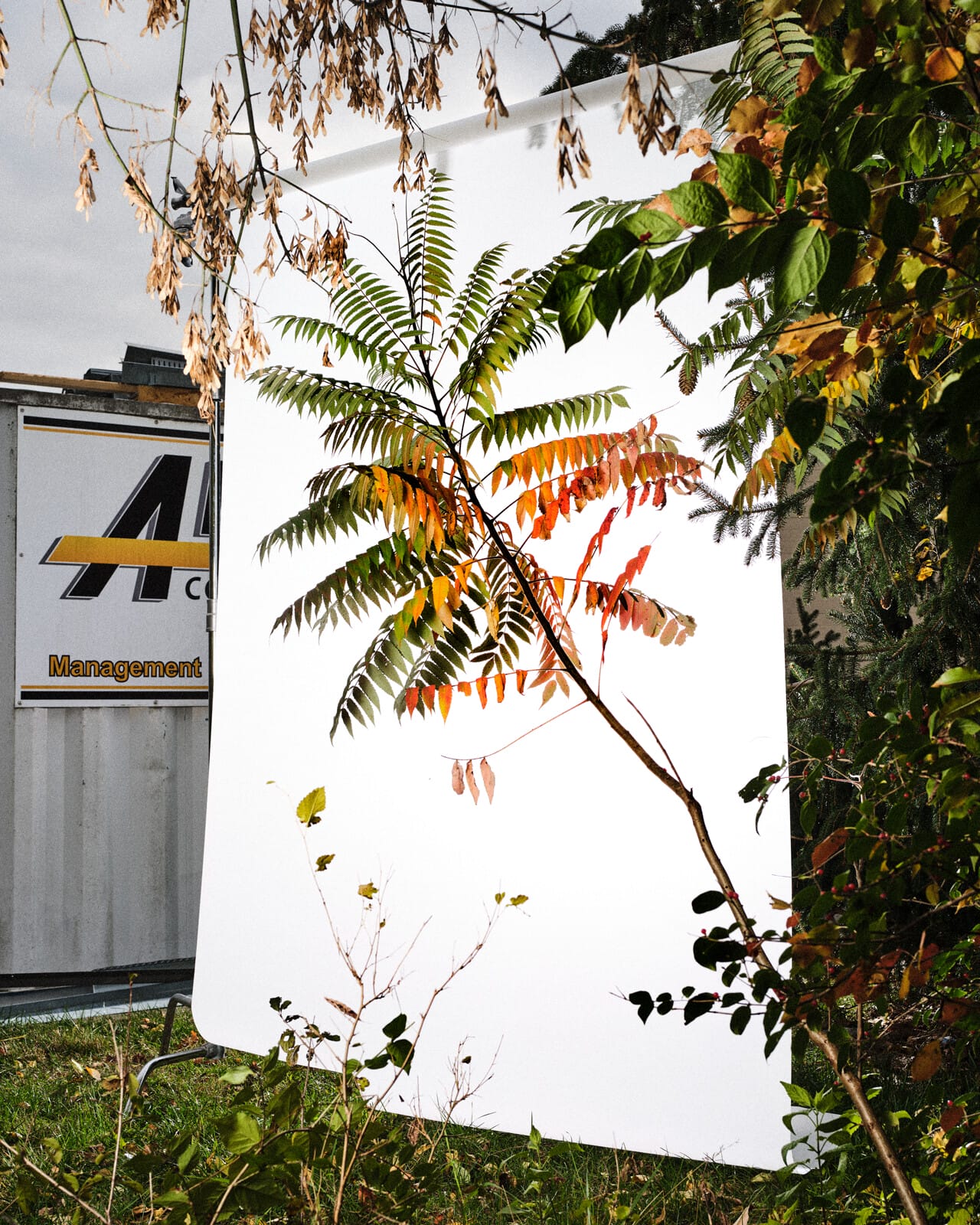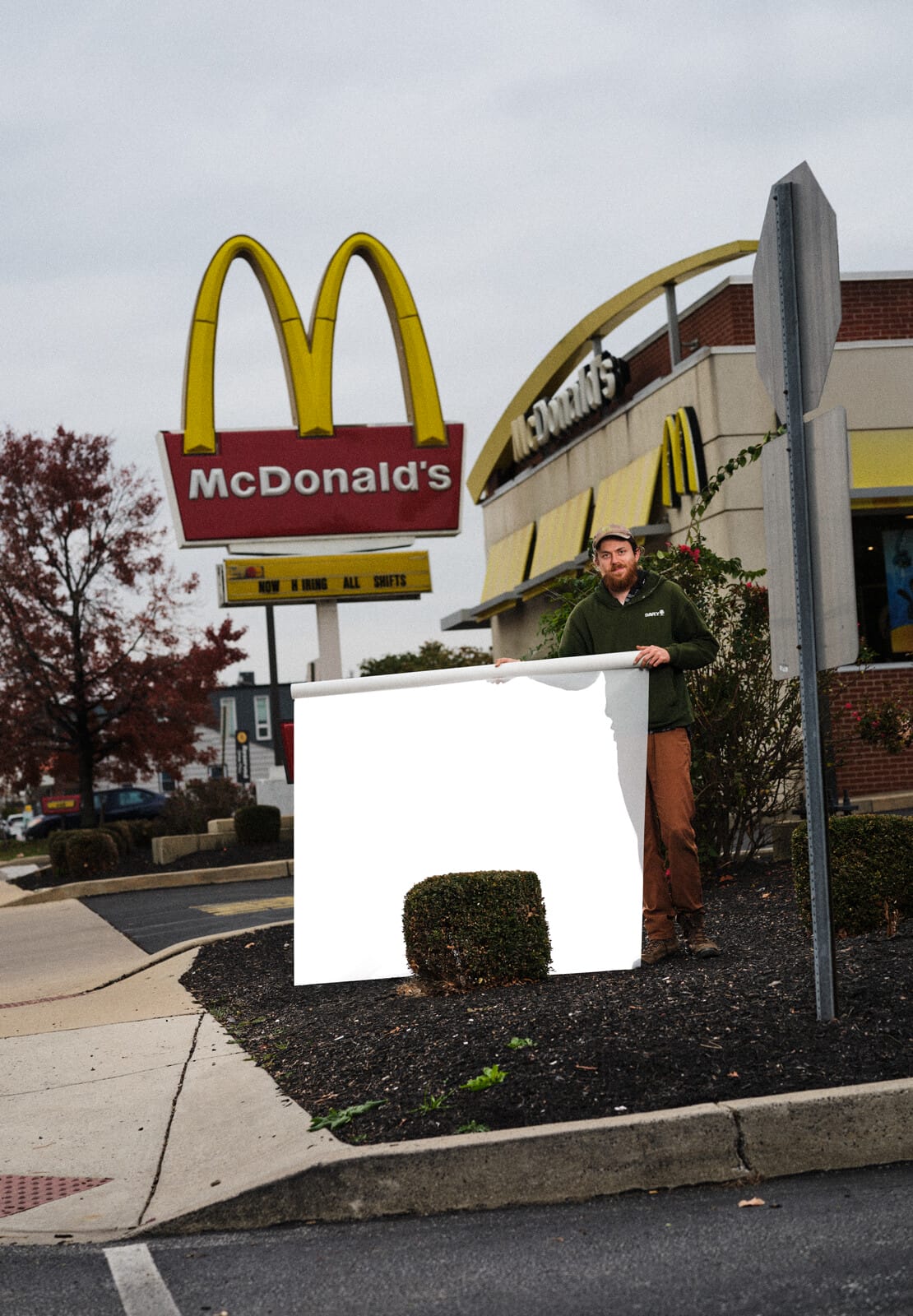
Parking lots and fast-food drive-thrus are not typically desirable destinations for plant nerds or nature lovers like myself. As an urban forester and content creator (@Andrew_The_Arborist) focused on trees, native plants, and ecological restoration, I don’t often get excited about parking lot plants. The flora of these commercialized seas of asphalt is usually ignored, viewed as nothing more than blobs of greenery used to divide up the parking spaces.
Most of the time, that’s a pretty accurate description. The plants that are installed in parking lots and corporate landscapes are often some of the most horticulturally boring, ecologically useless vegetation available at wholesale plant nurseries: boxwoods pruned into tiny spheres, rows of yew bushes butchered within an inch of death, and hundreds of daylilies sprinkled in between. Ecologically damaging invasive plants like Callery pears, burning bushes, and barberries are popular despite their propensity to escape the parking lot and degrade adjacent natural areas.
It takes a tough plant to survive in these unusual, man made settings. The concrete and asphalt absorb warmth during the day and release it at night; when combined with a lack of greenery, these elevated temperatures create an urban heat island effect that stresses plants. The trees also usually have a limited soil volume, which makes obtaining water and nutrients more difficult. Soil quality and microbial life are generally poor, and soil compaction from foot traffic and frequent mowing are high.
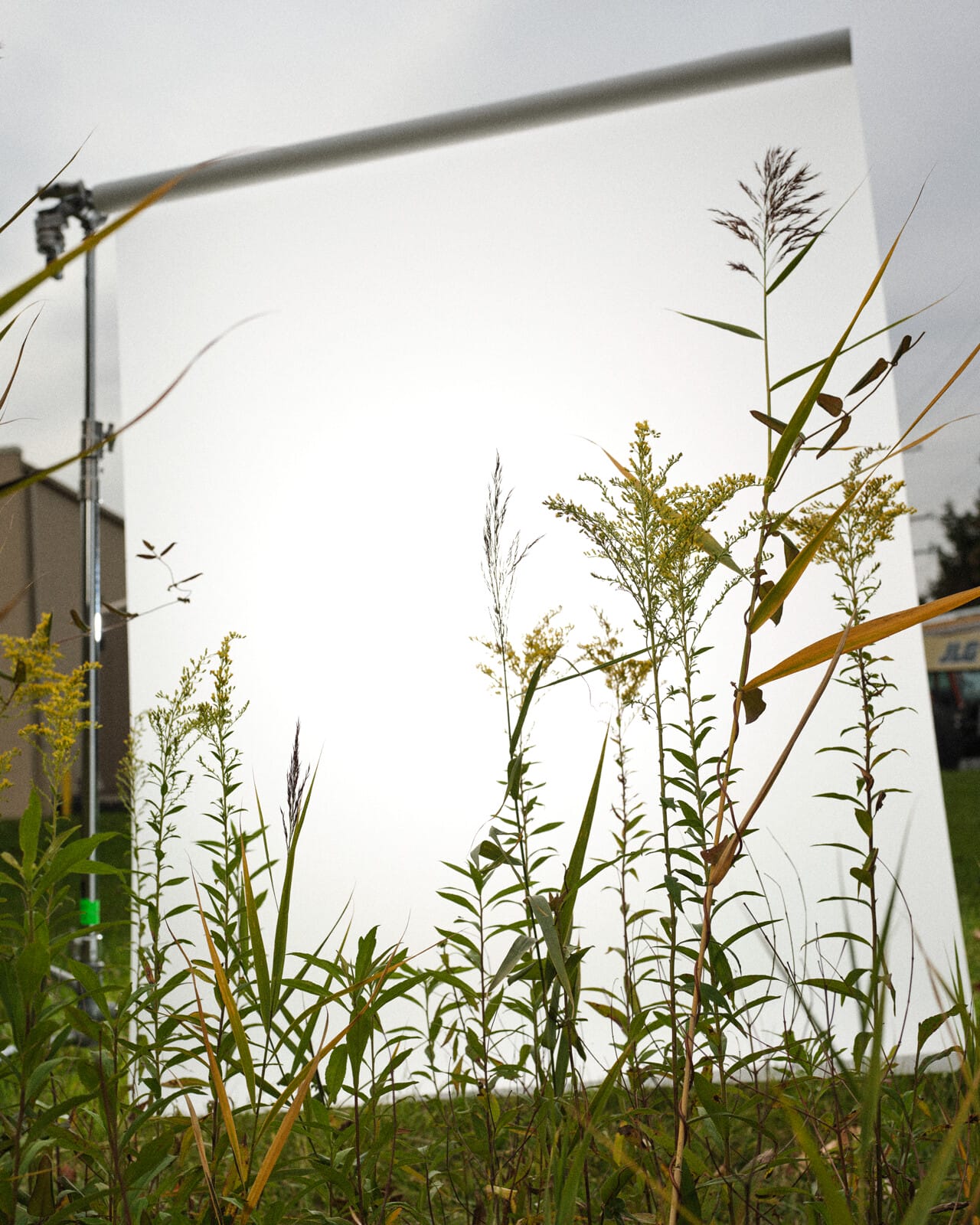
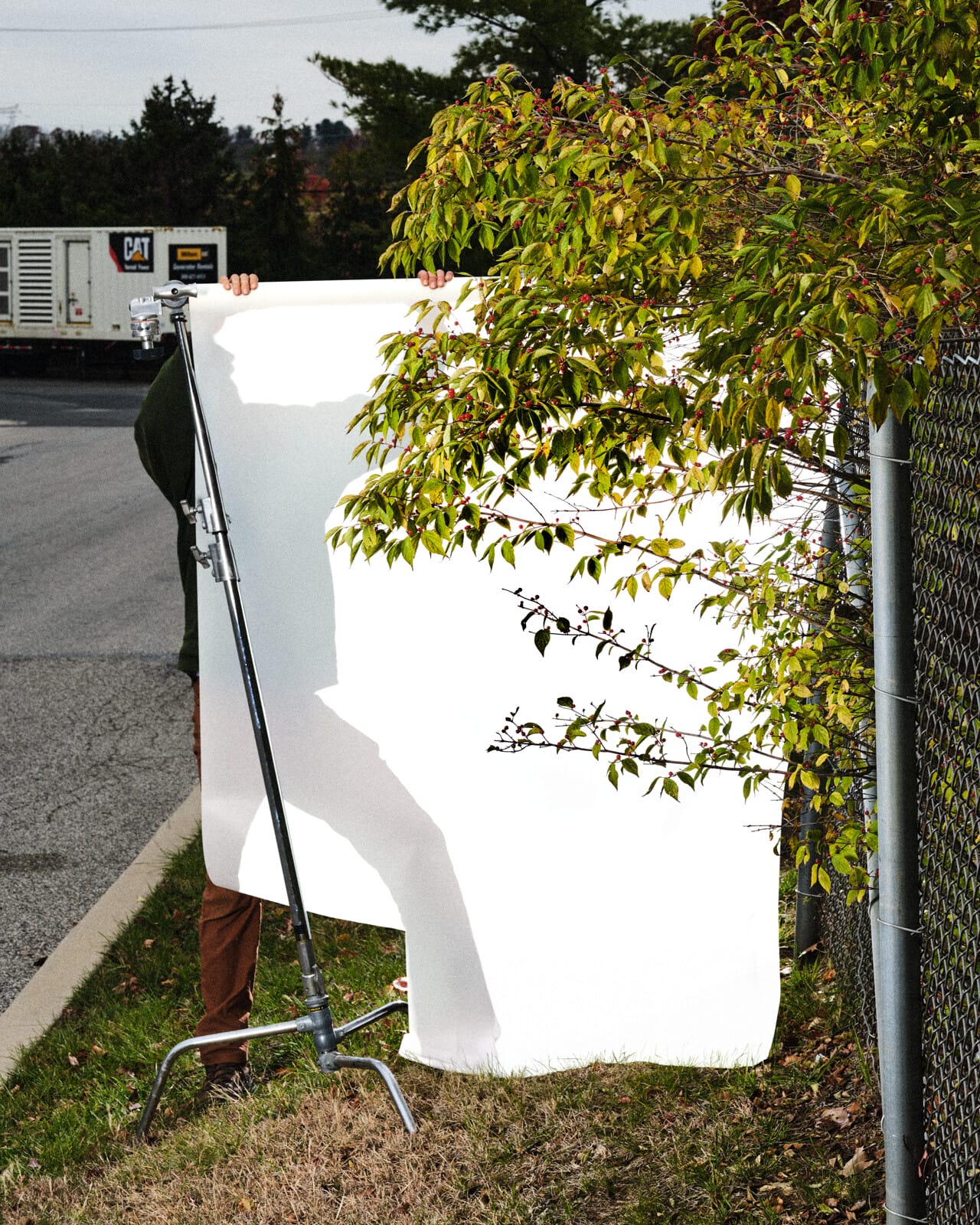
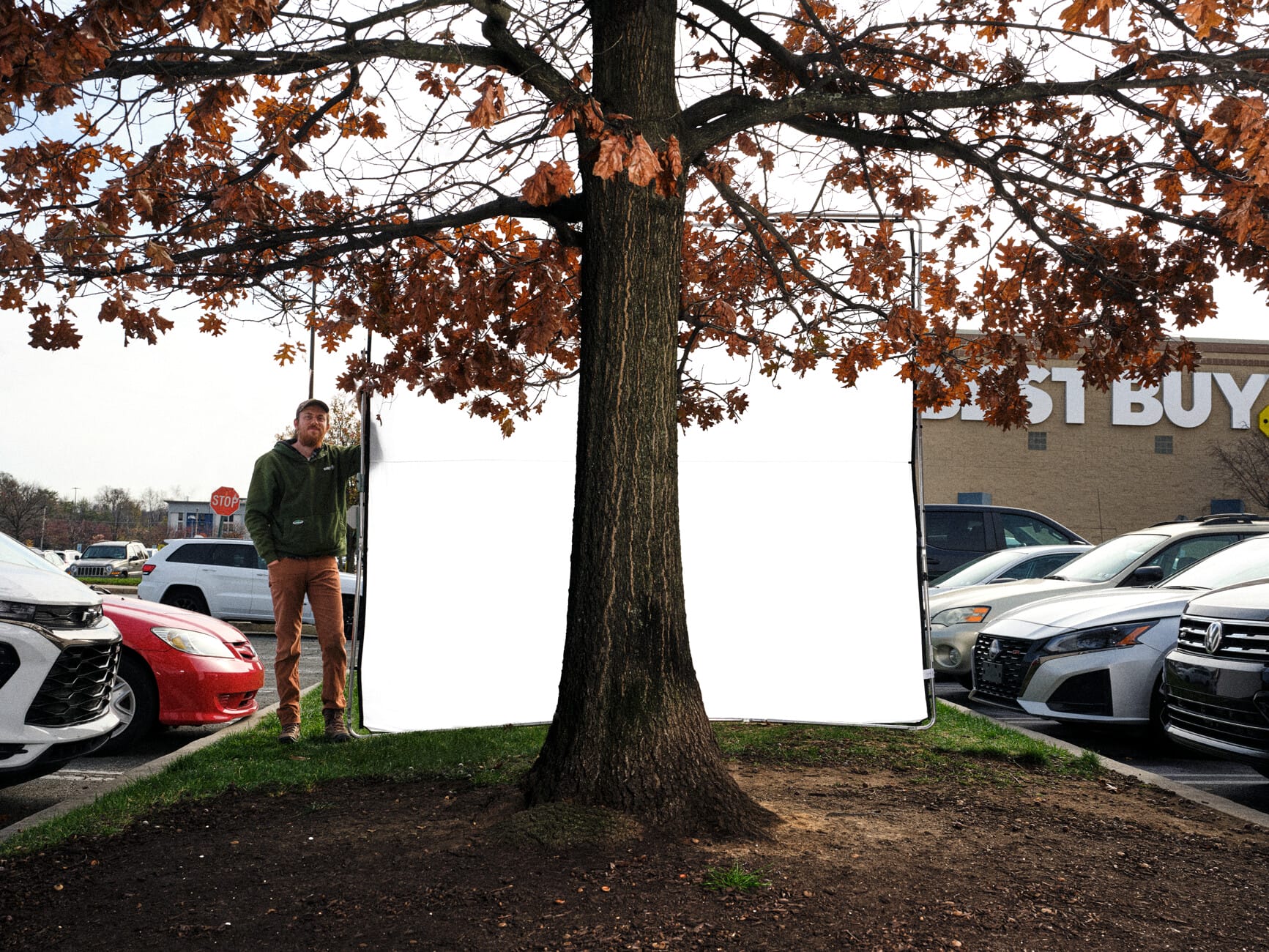
While planting native oaks or milkweeds in a Walmart parking lot is not a replacement for natural woodlands or healthy meadows, it is a step in a better direction. And amid the excessive trimming, weeding, and pruning, there’s almost always a forgotten edge of the parking lot where wild plants persist, sprouting in pavement cracks by abandoned shopping carts and windblown litter. The cliché rings true: life finds a way.